

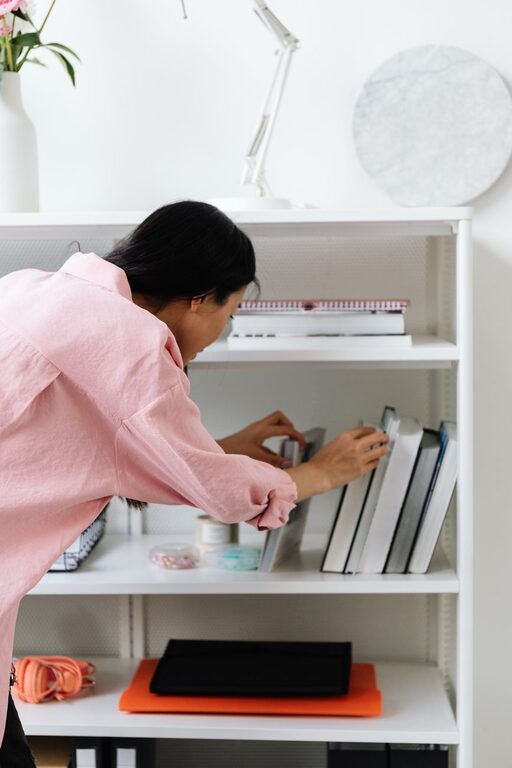
Paper clutter is a common challenge in many households. From junk mail and receipts to bills and school papers, the sheer volume can quickly become overwhelming. Fortunately, there are simple ways to reduce paper clutter and make your home feel more organized and calm. In this post, we’ll explore practical strategies to help you manage paper effectively and maintain a clutter-free space.
Why Reducing Paper Clutter Matters
Paper clutter not only takes up physical space but can also create mental clutter. It’s easy to feel overwhelmed when piles of paper accumulate on desks, counters, or kitchen tables. Reducing paper clutter can:
– Create a cleaner, more pleasant environment
– Help you find important documents quickly
– Decrease stress related to disorganization
– Save time spent sorting through unnecessary papers
Sort and Purge Regularly
The first step to reducing paper clutter is sorting through your existing piles and deciding what to keep, recycle, or toss.
Create Sorting Zones
Set up specific areas or boxes labeled:
– Keep
– Shred
– Recycle
Go through all your papers systematically. Be honest about what you really need to keep, such as tax documents or warranties, and what can be tossed.
Schedule Regular Purges
Make it a habit to sort through your paper every week or month. This prevents buildup and keeps clutter under control.
Go Digital Whenever Possible
Switching to digital versions of bills, statements, and receipts is a highly effective way to reduce paper.
Opt for E-Statements and Billing
Contact your bank, utility companies, and subscription services to sign up for electronic statements and bills. You’ll receive emails instead of paper in the mail.
Use Apps to Store Receipts and Documents
Many apps allow you to scan and save receipts and important documents securely. This reduces the need to keep paper copies.
Back Up Important Files
Be sure to back up digital documents on a cloud service or external drive to prevent data loss.
Set Up a Simple Filing System
For papers you must keep, an organized filing system is crucial.
Use a File Box or File Cabinet
Choose a storage container that fits your space, such as a portable file box or a small filing cabinet.
Label Folders Clearly
Create folders by category, such as:
– Bills
– Medical
– School
– Taxes
– Receipts
– Manuals/Warranties
Label each folder to make it easy to file and locate papers when needed.
Limit the Number of Categories
Too many folders can become confusing. Keep categories broad enough to be manageable.
Manage Incoming Paper
Prevent clutter by handling new paper as soon as it enters your home.
Designate a Paper Landing Zone
Set up a spot near your entryway or kitchen for all incoming mail and documents.
Sort Daily or Weekly
Make it a routine to go through this spot regularly to file, pay bills, or recycle junk mail.
Use a Shredder and Recycling Bin Nearby
Having a shredder and recycling bin close by encourages immediate disposal of unwanted papers.
Use Smart Storage Solutions
Save space and keep papers organized with creative storage.
Use Hanging Wall Files
Wall-mounted folders free up desk space and keep papers visible and accessible.
Repurpose Magazine Holders
These holders work well for manuals, school papers, or catalogs.
Use Accordion Folders for Portable Storage
Accordion files are perfect for organizing papers that you need to carry or store compactly.
Reduce Paper at the Source
Try to minimize the amount of paper you bring into your home.
Unsubscribe from Unwanted Mail
Opt-out of catalogs, unsolicited ads, and mailing lists online or by phone.
Choose Paperless Options for Schools and Clubs
Many schools and organizations offer newsletters and announcements via email.
Involve the Whole Family
Paper management works best when everyone pitches in.
Teach Kids to Sort and Store School Papers
Set up a folder or bin for each child to manage their own papers.
Make Paper Cleanup a Family Routine
Encourage everyone to take a few minutes daily or weekly to manage paper clutter.
Final Tips for Maintaining Paper Organization
– Keep a basket or tray for papers that require action.
– Don’t let paper pile up; stay consistent with sorting and filing.
– Review your system periodically and adjust as needed.
By adopting these simple habits and systems, you can significantly reduce paper clutter in your home. This will create a more organized, efficient, and peaceful living environment for you and your family. Remember, managing paper doesn’t have to be complicated — small steps can make a big difference!